Wild Camping as Therapy: Why Veterans Are Leading the Outdoor Wellbeing Movement
WILD CAMPING AS THERAPY: WHY VETERANS ARE LEADING THE OUTDOOR WELLBEING MOVEMENT
No Wi-Fi. No rank. No noise except what the hillside makes. For the first time in months, that feels exactly right.
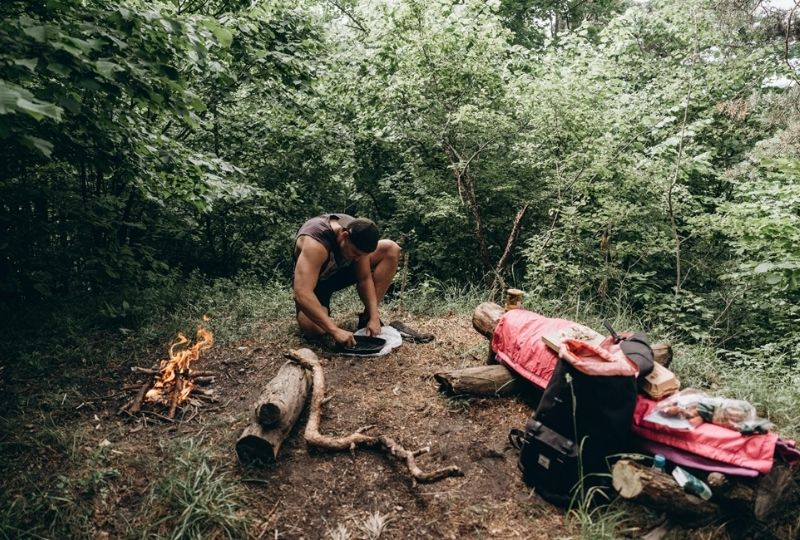
The first night out feels different in a way that is hard to describe. The ground is uneven, the air is colder than expected, and the silence is not empty, it is full. You notice things again without trying.
There is no schedule being pushed at you and nothing competing for your attention. Just a small set of tasks that need doing before it gets dark. That simplicity settles in quickly.
Why The Outdoors Works So Well
For many veterans, the outdoors does not feel unfamiliar. It feels like something they already understand. The conditions are different, but the mindset carries across.
There is a kind of discomfort that feels manageable. You are not completely comfortable, but you are not meant to be. That balance makes sense in a way that many civilian environments do not.
Tasks are clear and immediate. You set up shelter, sort water, prepare food, and plan for the next day. Each action has a purpose, and the outcome is visible.
Quiet Without Isolation
One of the biggest shifts after service is the constant background noise of civilian life. Notifications, traffic, conversations, and expectations all compete at once. It can feel crowded even when nothing is happening.
Outdoors, that noise disappears. What replaces it is quieter, but not empty. Wind, movement, and distance create a different kind of awareness.
You are not cut off from people unless you choose to be. Others are often nearby, sharing the same space without needing constant interaction. The community is there, but it is not intrusive.
A Familiar Kind Of Teamwork
Even in small groups, the dynamic feels recognisable. People take on tasks without being asked. Things get done because they need to be done.
There is no need for long explanations. You notice what needs attention and act on it. That rhythm returns quickly.
It also creates space for conversation that feels more natural. Sitting around a fire or walking a route removes the pressure of structured interaction. Things are said when they are ready to be said.
Where This Is Already Happening
This movement is already well established across the UK. Veteran-led outdoor programmes have been running for years, with increasing demand. They are built around participation, not observation.
Organisations like Veterans in Action have been working with veterans through outdoor activity since 2010, starting with long-distance walking expeditions across the UK and developing over time into overland vehicle expeditions through Europe and beyond. Their approach is based on peer support, long-term engagement, and shared experience rather than short-term intervention.
Groups such as Walking With The Wounded have also integrated outdoor challenge into recovery and community building. The model is consistent: structured activity, shared hardship, and visible progress.
What The Research Actually Shows
There is growing evidence behind this approach. Outdoor activity, especially in natural environments, has been linked to improved mental wellbeing. The reasons are practical rather than abstract.
Physical movement, fresh air, and reduced sensory overload all contribute. You are doing something real, in a setting that does not demand constant attention. That alone can make a difference.
Writers and broadcasters like Ben Fogle have helped bring wider attention to the connection between nature and wellbeing. His work reflects something veterans often recognise immediately. The environment itself does part of the work.
It Does Not Need To Be Extreme
Wild camping and bushcraft can sound more intense than they are. You do not need to start with long expeditions or difficult terrain. Small steps are enough.
A single night outdoors can change how things feel. It gives you space, structure, and a different pace. That is often where it begins.
From there, people tend to build gradually. More time outside, more confidence, and a clearer sense of what works for them. It is not about pushing limits straight away.
Finding A Way In
There are practical ways to get started without overcomplicating it. Veteran-specific programmes provide a structured and supportive entry point. They remove a lot of the uncertainty.
Organisations like Veterans in Action offer opportunities to take part in expeditions and outdoor activities alongside others with similar backgrounds. This makes the first step easier.
There are also wider wild camping and bushcraft communities across the UK. These are open, accessible, and often welcoming to those new to it. You can engage at your own pace.
A Different Kind Of Quiet
The appeal is not dramatic. It is steady, consistent, and easy to return to. That is part of what makes it work.
For many veterans, it provides something that is difficult to find elsewhere. A space where things are simple, tasks are clear, and time moves differently. That combination is rare.
No Wi-Fi. No rank. No noise except what the hillside makes. For many, that feels exactly right.


