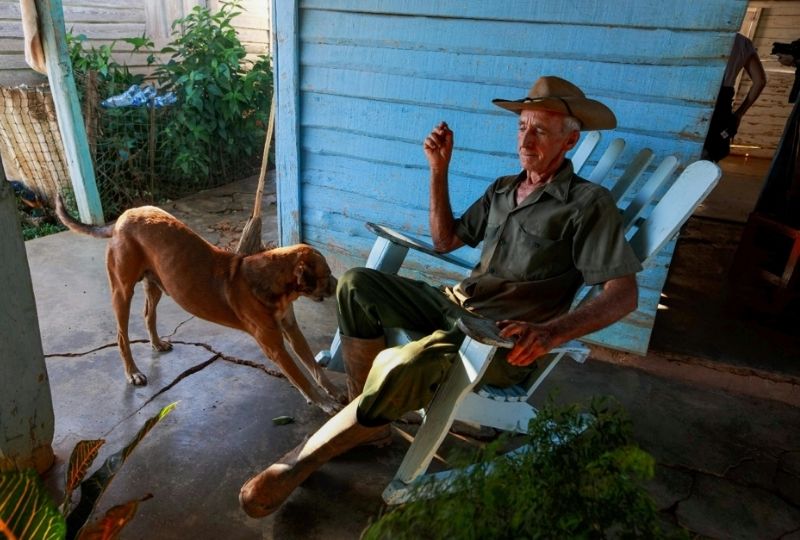
More than a pet: why veterans and dogs work so well together
There is a particular kind of quiet that comes with having a dog. It is not silence exactly. It is just that the noise in your head gets a bit easier to manage.
Veterans have been working with dogs for centuries, but the connection between former service personnel and dogs in a therapeutic context has become increasingly well-documented over the past decade. What was once anecdotal is now the subject of serious research, and the results are consistent: the relationship between veterans and dogs appears to be genuinely good for both.
What dogs actually do
A dog does not care about your rank, your deployment record or whether you slept last night. It wants to go for a walk, it wants its dinner, and it wants to be near you. That simplicity is not nothing. For veterans navigating a civilian world that can feel complicated and unpredictable, the uncomplicated nature of a dog's needs can be grounding.
There is also the physical dimension. Dog ownership requires routine. You get up at a certain time because the dog needs feeding. You leave the house because the dog needs a walk. For veterans who struggle with motivation, isolation or disrupted sleep patterns, that external structure can be genuinely useful.
Research from organisations including the charity Bravehound, which specifically pairs dogs with Scottish veterans, has found improvements in self-reported wellbeing, reduced social isolation, and increased confidence in leaving the house. These are modest, measurable outcomes from a relationship that costs relatively little to establish.
Assistance dogs and PTSD
Beyond companion animals, there is a growing body of work around trained assistance dogs for veterans with PTSD. These are not the same as emotional support animals. They are trained to specific tasks: waking someone from a nightmare, creating physical space in a crowded environment, alerting to signs of heightened anxiety before the veteran is aware of them themselves.
Organisations including PTSD Dogs UK and Hounds for Heroes provide trained assistance dogs to veterans and emergency services personnel. The waiting lists are long and the demand consistently outstrips supply, which itself says something about how strongly veterans and their families believe in the impact.
The science supports them. A 2021 study published in PLOS ONE found that veterans paired with trained psychiatric service dogs reported significantly lower PTSD symptom severity, better sleep and higher quality of life than a control group on a waiting list.
The ones who do the training
Something else worth noting is the number of veterans who have moved into dog training, rehabilitation and assistance dog work as a second career or voluntary pursuit. The skillset transfers in ways that are not immediately obvious.
Patience, consistency, the ability to read non-verbal communication, an understanding of how high-stress environments affect behaviour. These are things the military develops in people. They are also exactly what effective dog training requires.
Several veteran-led organisations have built around this overlap. Woofs for Warriors, based in the UK, trains rescue dogs to become assistance animals for veterans, with veterans themselves involved in the training process. The model works in both directions at once.
The practical side
Not everyone is in a position to own a dog. Cost, living arrangements and personal circumstances all vary. But the underlying principle, that regular contact with animals has measurable benefits for mental health and social functioning, is well-established enough that it is worth exploring in whatever form is accessible.
Some veteran support organisations offer dog-assisted therapy sessions without requiring ownership. Walking groups that are dog-friendly can provide community as well as exercise. The animal itself does not need to be yours to have an effect.
A low-key point worth making
None of this is a substitute for professional mental health support, and it should not be framed as one. But it sits alongside other forms of support in a way that is accessible, non-clinical and, for many veterans, considerably less daunting than asking for help in a more formal setting.
Sometimes the first conversation is easier to have when you are both looking at a dog.
Justice4Heroes supports former British Armed Forces personnel with hearing loss claims on a No Win No Fee basis. If your service affected your hearing, call 0800 776 5622 or visit www.justice4heroes.org


