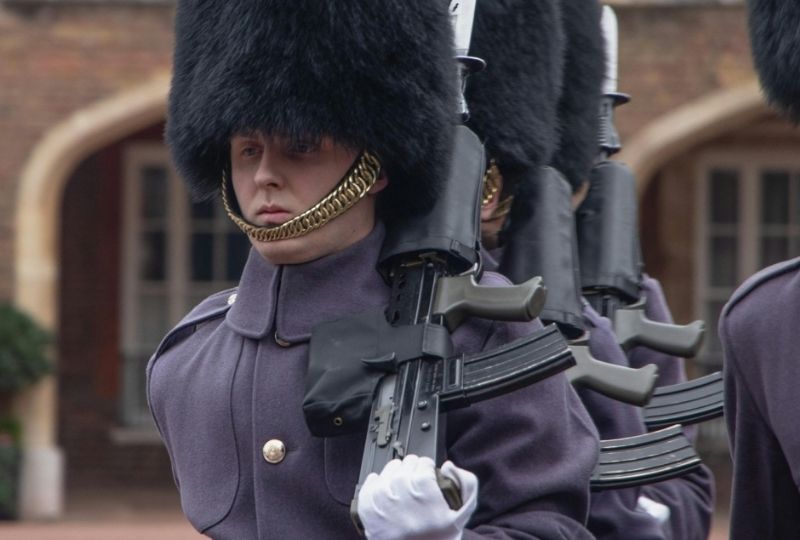
Armed Forces Day is a celebration. It is also a reminder.
Every year on the last Saturday in June, the country pauses to say thank you. Parades, displays, flags on public buildings. It is a good day.
Armed Forces Day has been running since 2009, when Veterans Day was expanded to recognise not just those who had served but those currently serving, reservists, cadets and their families. The national event this year is in Aldershot, one of the oldest and most historically significant garrison towns in Britain, with local events at more than 100 locations across the UK.
It is worth marking. But for veterans, it can also prompt a different kind of reflection.
What the day is for
The stated purpose of Armed Forces Day is public recognition and support. It is aimed primarily at the civilian population, giving them a visible, accessible way to acknowledge what the armed forces do and what service means.
That framing matters. It is not a veterans-only event. It is a national conversation, with veterans at the centre of it but not the only participants. The parades and displays are partly about visibility, about making service real to people who have no direct connection to it.
For veterans, particularly those who separated from service some years ago, that visibility can feel odd. The applause on Armed Forces Day does not always map onto the experience of transition, the administrative friction of leaving, the difficulty of explaining a skill set in a job interview, or the health conditions that surface years after the fact.
None of that is a criticism of Armed Forces Day. It is just an observation that recognition and support are not always the same thing.
Aldershot in 2026
This year’s national event is in Aldershot, which has been a garrison town since the 1850s and remains one of the largest military bases in the UK. It is an appropriate choice, and the event is expected to be significant, with military displays, community activities and the kind of visible turnout that the occasion warrants.
For veterans in the South East, it is worth attending. For those elsewhere, local events are genuinely worth looking up at armedforcesday.org.uk. The quality and character of local events varies, but many are excellent and provide a real opportunity to connect with the local veteran community.
The Falklands and D-Day
June carries its own weight before Armed Forces Day even arrives. The 6th marks the anniversary of the Normandy Landings in 1944. The 14th marks the end of the Falklands War in 1982.
Both dates fall within what Blind Veterans UK and others now call Armed Forces Month. The framing is useful. Rather than a single day of recognition, it creates space for a longer, more varied engagement with what service means across different generations and conflicts.
For veterans of the Falklands in particular, this month has always carried a specific weight. The conflict was short, intense and in many respects underacknowledged in its immediate aftermath. The veterans who served there are now in their sixties, and the long-term health consequences of that campaign, including hearing damage from shipboard and combat noise, are still being assessed and compensated.
What recognition looks like in practice
Armed Forces Day at its best does something more than flags and parades. It creates moments where veterans and their families feel genuinely seen, where younger people ask questions that matter, and where the relationship between service and society is made visible in a positive way.
At its less best, it can feel performative. Veterans who have spent years navigating benefits systems, waiting for medical appointments, or trying to explain service-related health conditions to civilian employers are occasionally sceptical of a single day of public warmth.
Both things can be true at once. The recognition is real and it matters. So do the structural issues that persist beyond the day itself.
The hearing loss connection
For many veterans, Armed Forces Month is also a natural time to think about health. The conversations that happen at events, in veteran networks, at reunions, often surface things that individuals have been sitting on for years.
Hearing loss and tinnitus from military service are compensatable conditions, and the 31 July 2026 deadline under the Matrix Agreement is less than four weeks after Armed Forces Day. Veterans who are attending events this month and talking to fellow veterans may find that the subject comes up, and it is worth being ready to point people in the right direction.
The 31 July 2026 Matrix deadline is approaching. If you or someone you know may have a hearing loss or tinnitus claim, call 0800 776 5622 or visit www.justice4heroes.org. No Win No Fee, no obligation to proceed.


